Introduction
Dance is not just a form of art; it's a journey that transcends the bounds of mere movement. For young dancers, it becomes a canvas on which they paint their dreams, aspirations, and emotions. However, what's often overlooked in the pursuit of perfection is the importance of fostering independence in these budding artists. Fostering Independence in Young Dancers: Why It Matters isn't just a catchy title; it's a vital conversation that every dance academy should embrace.
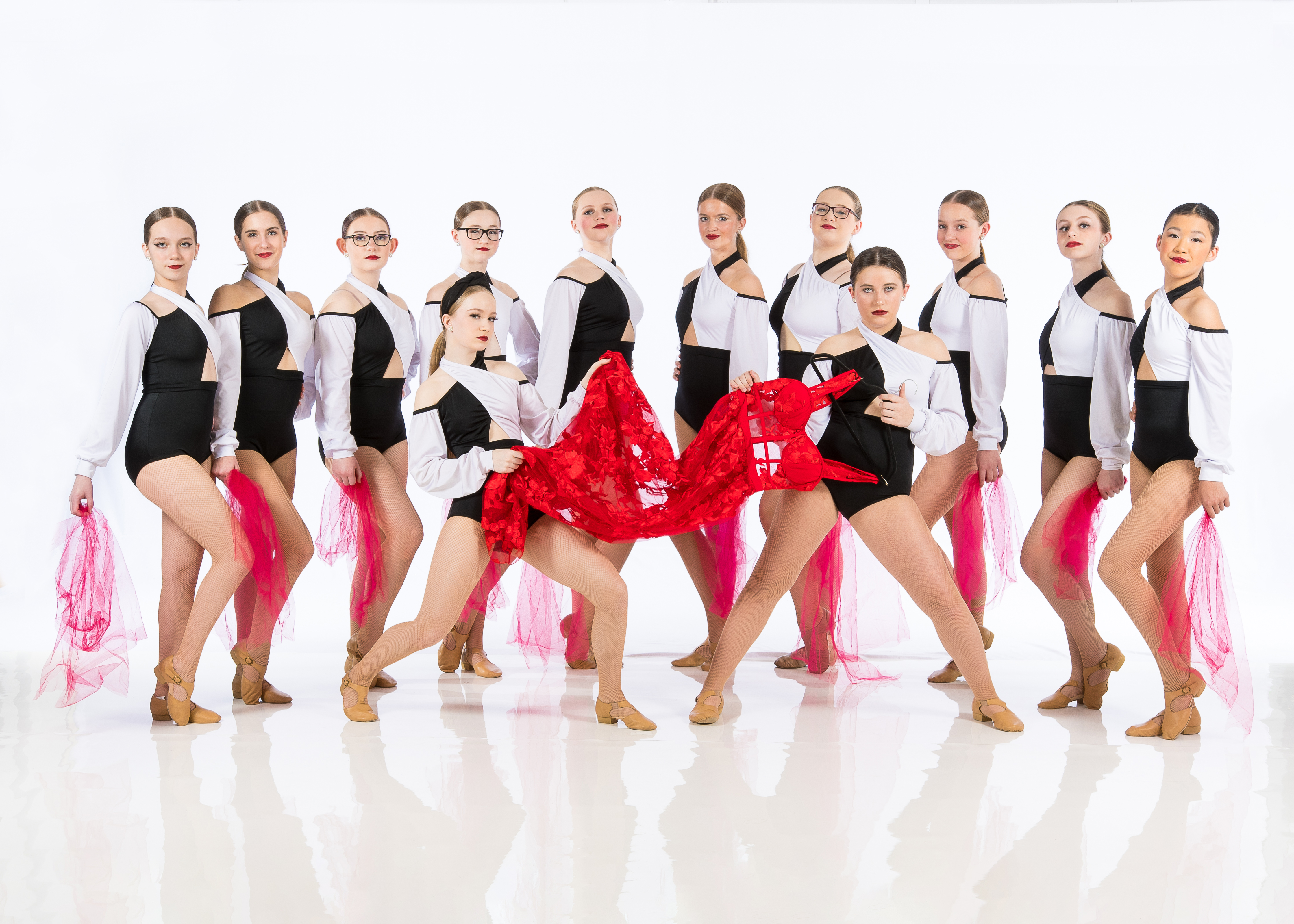
In this article, we'll explore why independence is crucial for young dancers and how dance academies can cultivate this trait in their students. From boosting self-confidence to enhancing creativity, the benefits are boundless. So, let’s dive into the world of dance and discover why encouraging independence can be transformative!
Fostering Independence in Young Dancers: Why It Matters
Independence is often seen as a hallmark of maturity, but its seeds can be sown at an early age—especially in the world of dance. When young dancers learn to express themselves without reliance on instruction or constraints, Dance Academy they unlock a wellspring of creativity that enriches their performance.
The Impact of Independence on Self-Confidence
One significant outcome of fostering independence is the substantial boost it gives to self-confidence. When young dancers feel empowered to make choices about their movements and interpretations, they begin to believe in their abilities. This newfound confidence often spills over into other areas of their lives.
- Self-Expression: Through independent exploration, dancers find unique ways to express emotions and stories. Decision-Making Skills: Learning to make choices about choreography or style encourages critical thinking.
Encouraging Creativity Through Freedom
Creativity thrives when individuals have the freedom to explore without limitations. In dance, this means allowing students to improvise and experiment with different styles and movements.
- Improvisation Classes: Incorporating improvisation into lessons can help students think outside the box. Choreography Projects: Assigning projects where students create their own dances fosters creativity.
Building Resilience and Problem-Solving Skills
Independence also teaches resilience—the ability to bounce back from disappointment or failure. In dance, this could mean overcoming challenges during rehearsals or performances.
- Facing Challenges: Every dancer encounters difficulties; learning to overcome them independently builds character. Problem Solving: Independent dancers learn how to troubleshoot issues that arise during practice or performance.
The Role of Dance Academies in Fostering Independence
Dance academies play an essential role in nurturing independent thinkers who will become future leaders in the world of dance.
Creating an Environment for Growth
A supportive environment is crucial for fostering independence among young dancers. Dance academies need to create spaces where students feel safe exploring their capabilities.
- Open Communication: Encourage open dialogue between instructors and students regarding creative choices. Mentorship Programs: Experienced dancers can mentor younger ones, guiding them toward independent thinking.
Curriculum Design Focused on Autonomy
The curriculum should incorporate elements that promote autonomy rather than simply following routines. A balanced approach allows room for both structured learning and creative freedom.
Innovative Teaching Techniques
Choice-Based Assignments:- Offer assignments where students choose their music or theme for projects.
- Allow students to work together on pieces without direct instructor intervention.
Benefits Beyond Dance: Life Skills Gained Through Independence
While we often associate dance with movement and performance, fostering independence has broader implications for life skills.
Time Management Skills
Independent dancers learn how to manage their practice schedules effectively—a skill that extends beyond the studio into academic pursuits and personal lives.
- Setting Goals: Students set personal targets for improvement. Prioritizing Tasks: They learn what needs attention first—whether it's mastering a new technique or preparing for an upcoming recital.
Social Skills Development
Independence also plays a role in developing social skills among young dancers as they collaborate with peers while expressing unique perspectives on movement.
Building Relationships
Teamwork:- Working on group pieces requires negotiation and collaboration.
- Engaging with various instructors and fellow dancers enhances relationship-building skills relevant later in life.
FAQs About Fostering Independence in Young Dancers
1. Why is fostering independence important for young dancers?
Fostering independence helps build self-confidence, creativity, resilience, and essential life skills like time management and problem-solving—all crucial for personal growth both inside and outside the dance studio.
2. How can parents support their child’s independence in dance?
Parents can encourage children by promoting practice at home without constant supervision, allowing them to choose classes or styles they’re interested in, and discussing what they learn after classes without imposing judgments.
3. What role does improvisation play in developing independent dancers?
Improvisation encourages free expression without fear of judgment. It allows dancers to explore movements creatively rather than strictly adhering to choreographed steps.
4. Are there specific activities that promote independence among young dancers?
Yes! Activities like choice-based assignments where students select music/choreography themes or improvisational exercises significantly foster independent thought processes among dancers.
5. How do mentorship programs benefit young dancers’ journeys toward independence?
Mentorship provides guidance while allowing younger dancers space to develop their artistic identities autonomously—helping them navigate challenges while feeling supported during their artistic journey.
6. Can fostering independence impact performance quality?
Absolutely! Independent thinking leads to more authentic performances as dancers bring personal flair instead of merely replicating learned routines—a trait that audiences appreciate greatly!
Conclusion
In conclusion, fostering independence among young dancers is more than just an educational objective; it’s a life lesson that cultivates self-expression, resilience, creativity, and essential life skills applicable far beyond the walls of any dance Portland dance programs academy. By creating environments conducive to exploration and autonomy within curricula designed with independent thought at heart—dance academies have an incredible opportunity not only shape talented performers but also confident individuals ready to take on whatever challenges life throws their way!
So next time you watch a performance filled with emotion and authenticity remember—those qualities were born from independence nurtured behind-the-scenes!