Introduction: The Power of Dance in Celebrating Diversity
Dance has always been a universal language, transcending borders and cultures. It serves as a medium for expression, storytelling, and connection. In our modern world, where diversity is more apparent than ever, the opportunity to celebrate this rich tapestry through movement has become increasingly vital. This article delves deep into how dance showcases can embody inclusive themes that resonate with audiences from all walks of life, highlighting the beauty of cultural differences and shared human experiences.
Throughout the years, various dance forms have emerged, each carrying its unique stories and traditions. From ballet to hip-hop and everything in between, every style offers a fresh perspective on what it means to be human. But why should we focus on diversity in dance? The answer is simple: Celebrating Diversity Through Movement – Inclusive Themes in our Shows! not only fosters understanding but also encourages empathy among diverse groups.
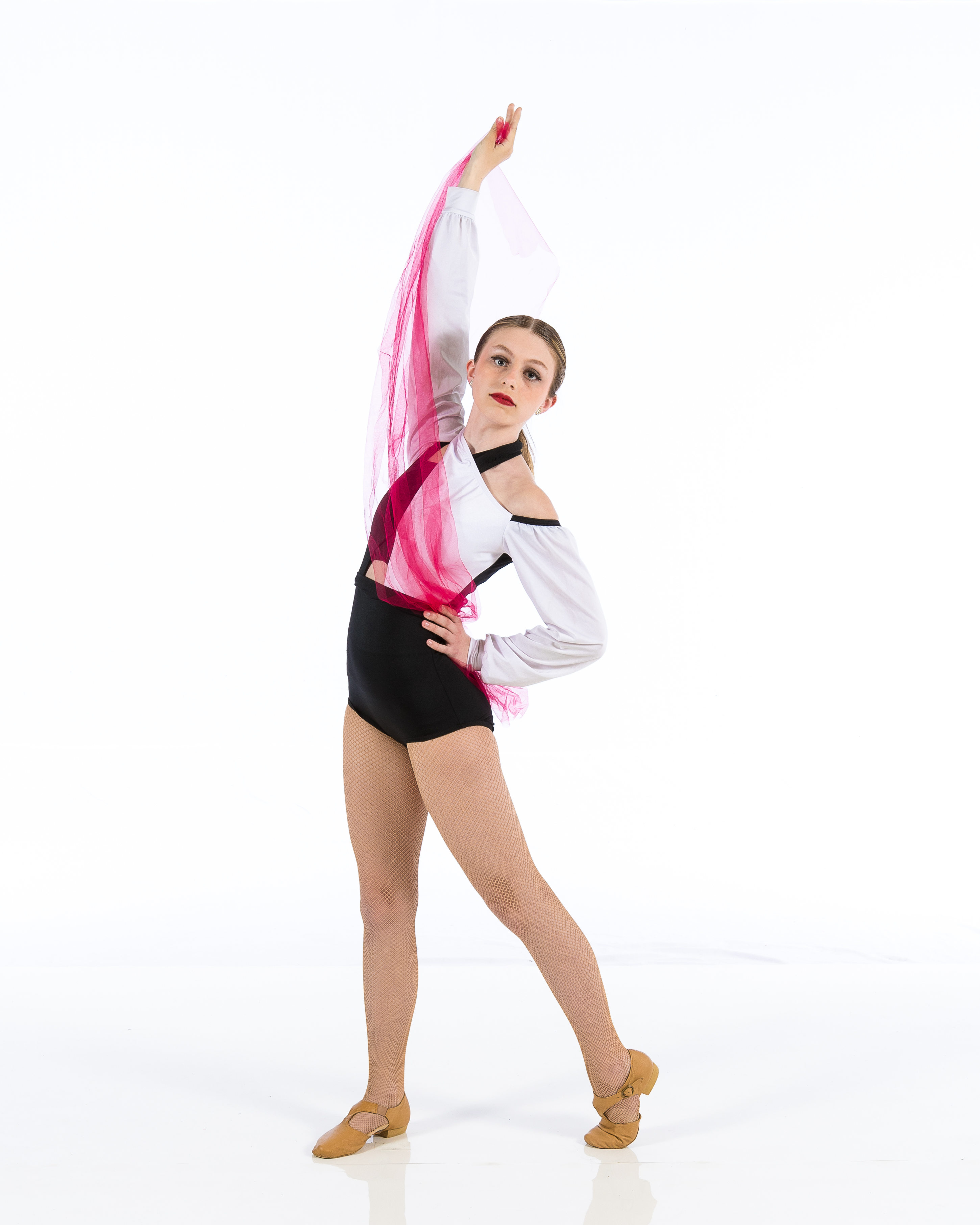
In this comprehensive exploration, we will examine the importance of inclusivity in dance showcases, spotlight various cultural influences, and discuss how these elements come together to create powerful performances that resonate deeply with audiences.
Dance Showcase: A Reflection of Society
What is a Dance Showcase?
A dance showcase is more than just an event; it's a celebration of talent, creativity, and expression. These performances highlight dancers' skills while often telling stories about cultural heritage or personal journeys. They provide a platform for artists to share their narratives with the world.
Why Are Dance Showcases Important?
- Cultural Exchange: Dance showcases encourage cultural exchange by introducing audiences to different styles and traditions. Community Building: They foster community connections among participants and spectators alike. Empowerment: They empower marginalized voices by giving them a stage to express themselves.
In essence, a dance showcase serves as both an entertainment medium and a tool for social change.
The Essence of Inclusivity in Dance
Breaking Down Barriers
When we talk about inclusivity in dance, we're addressing barriers—whether they be physical, emotional, or societal—that prevent individuals from participating fully in the art form.
Physical Barriers
Not everyone has the same access to dance studios or training programs. By providing adaptive classes that cater to people with disabilities or those from underserved communities, we can ensure that everyone has an opportunity to participate.
Emotional Barriers
Fear of judgment can deter potential dancers from expressing themselves. Creating safe spaces where individuals can explore movement without fear can foster creativity and confidence.
Societal Barriers
Cultural stereotypes can limit who gets represented on stage. By consciously including diverse performers and choreographers in showcases, we challenge these norms.
Cultural Significance of Dance Styles
Each dance style carries its unique significance that reflects its culture's history and values:
- Ballet: Often seen as elitist due to its historical roots in European courts. Hip-Hop: Emerged from African American culture as a means of self-expression amidst social struggles. Traditional Folk Dances: Each region’s folk dances tell stories passed down through generations.
Understanding these backgrounds enriches both the performance and audience experience during showcases.
Celebrating Diversity Through Movement – Inclusive Themes in Our Shows!
How Can We Celebrate Diversity Through Dance?
Diversity isn't just about representation; it's about celebrating differences through shared experiences. Here are some ways dance showcases can embody this philosophy:
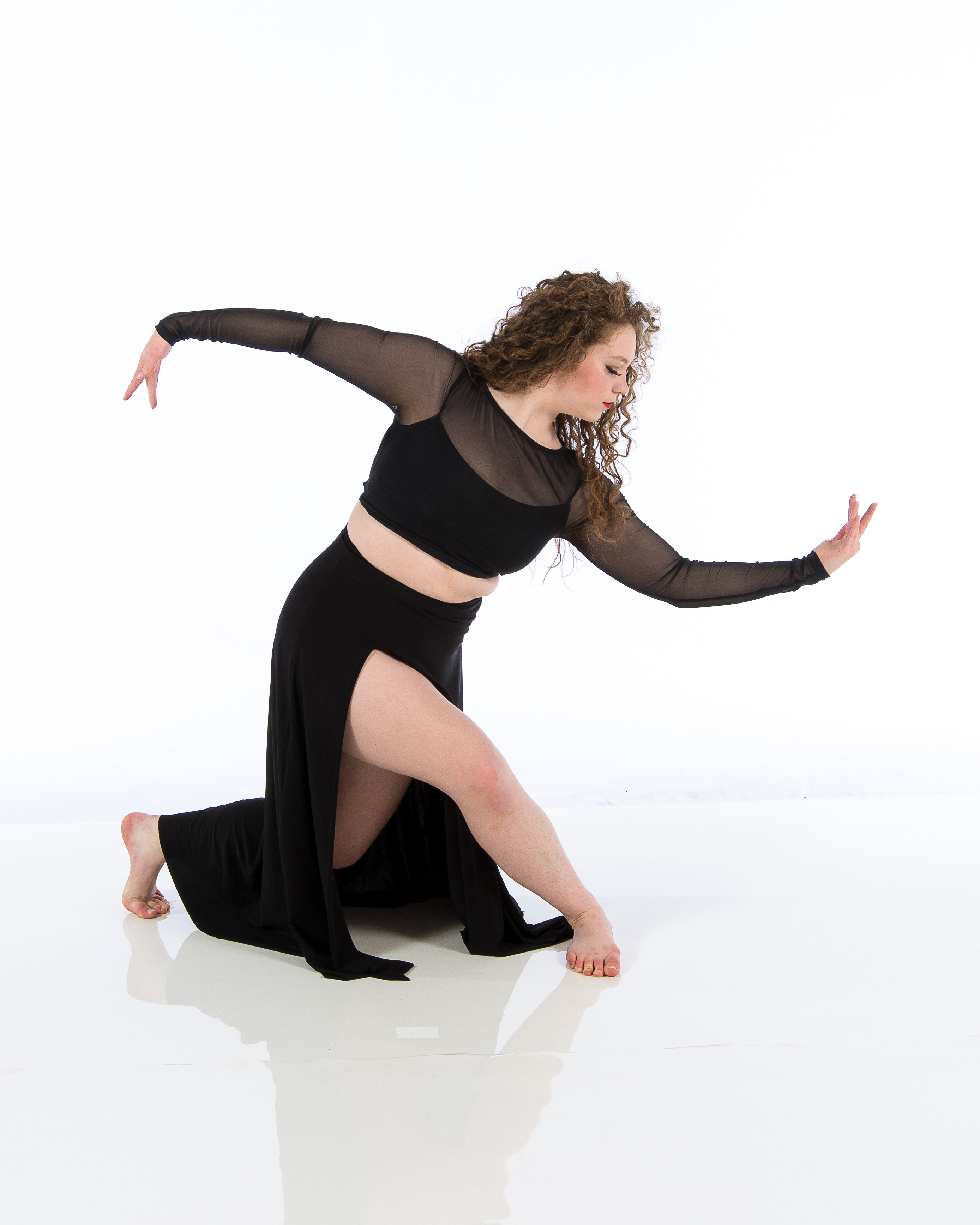
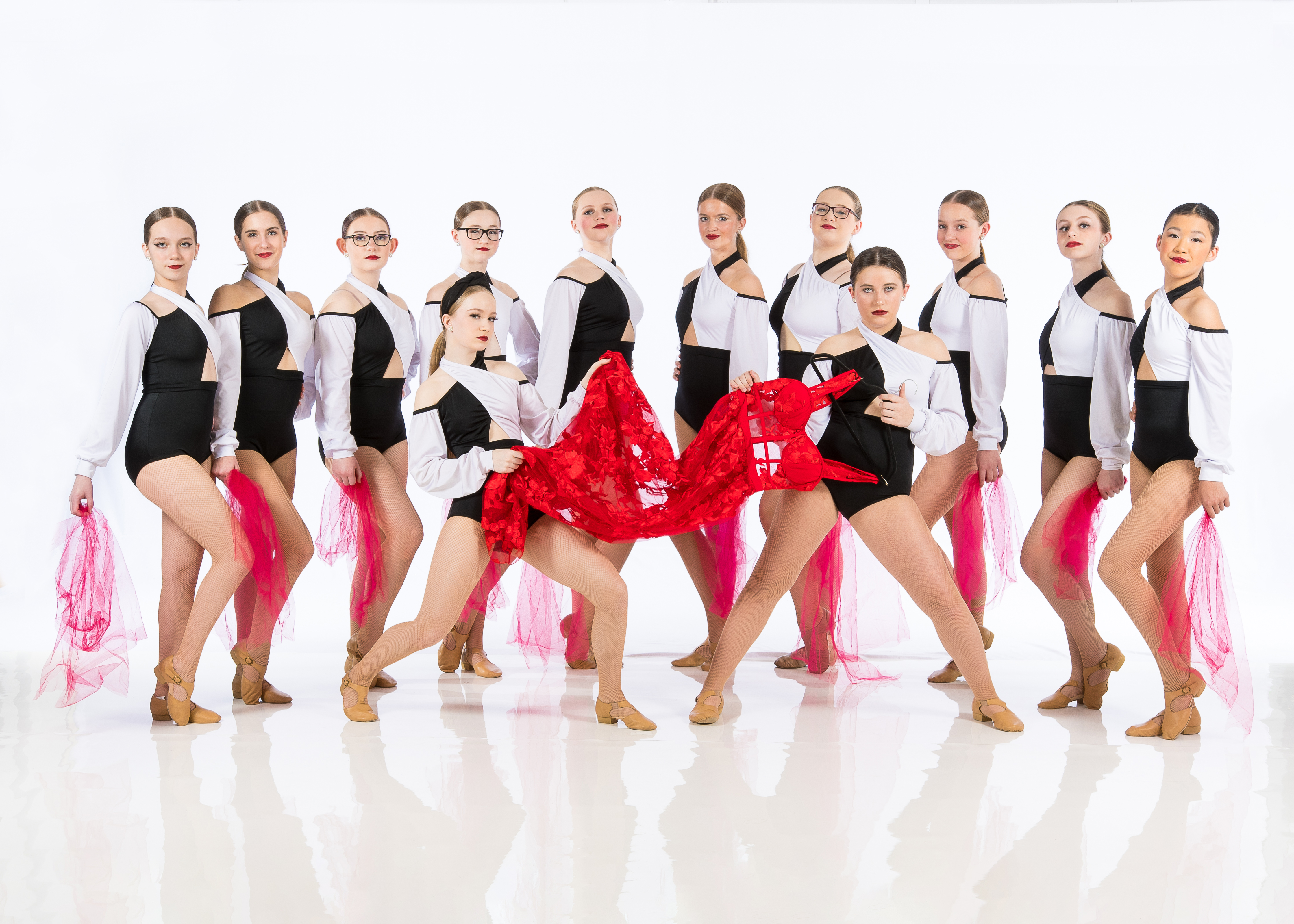
By incorporating these elements into our shows, we create an environment where diversity thrives through movement.
Spotlight on Diverse Cultural Influences
African Dance Traditions
African dances are characterized by their rhythmical movements often performed during celebrations or rituals. Each tribe has distinct styles reflecting their unique histories—such as West African dances that emphasize storytelling through movement.
Asian Dance Forms
From classical forms like Kathakali (India) to contemporary expressions seen in K-pop choreography (Korea), Asian dances showcase varied techniques influenced by religion, folklore, and modern pop culture.
Indigenous Movements
Indigenous dances often hold spiritual significance tied closely with land preservation issues which make them vital forms of expression that advocate for social justice alongside artistic endeavors.
The Role of Technology in Promoting Inclusivity
Virtual Platforms for Accessibility
With advancements in technology comes new avenues for showcasing talent beyond geographical limitations:
- Live-streaming events allow global participation Online classes increase accessibility for individuals unable to attend physical locations
Social Media Campaigns
Platforms like Instagram or TikTok enable dancers from marginalized communities to gain visibility without needing traditional gatekeepers such as agents or studios.
Creating Safe Spaces for Expression
The Importance of Vulnerability in Dance
Vulnerability is essential for genuine expression within any art form—including dance! Encouraging dancers to share personal experiences creates deeper connections with audiences during performances.
Implementing Safe Practices Within Classes/Shows
Establish clear codes of conduct addressing harassment Offer support systems (mentorship programs) Provide mental health resourcesThese practices foster an inclusive environment where everyone feels valued!
FAQs About Celebrating Diversity Through Movement – Inclusive Themes in Our Shows!
What types of themes can be included in an inclusive dance showcase?
Inclusive themes may include identity exploration (e.g., race/ethnicity), gender fluidity representation LGBTQ+ narratives showcasing shared human experiences across cultures—fostering empathy through movement art!
How do I find opportunities for diverse performers?
Many organizations focus on promoting inclusivity within performing arts sectors; search online platforms dedicated solely toward connecting artists with events tailored specifically towards underrepresented communities!
Can non-dancers participate in creating inclusive performances?
Absolutely! Writers/choreographers/artists play significant roles when crafting narratives behind performances—they contribute vital perspectives needed during show development stages too!
What impact does celebrating diversity have on audiences?
Celebrating diversity promotes understanding among different groups; it cultivates empathy leading towards more harmonious societies—an outcome everyone benefits from!
How do adaptive dance classes work?
Adaptive classes modify standard techniques ensuring participation remains accessible regardless physical limitations—this includes using specialized equipment helping facilitate movement effectively!
Are there any famous examples highlighting diversity within showcases?
Yes! Events like "Dance Africa" exhibit various African diasporic arts allowing cross-cultural exchanges while spotlighting local talents globally recognized festivals promote similar ideals equally well!
Conclusion: The Future Of Diverse Movement Artistry Is Bright!
In conclusion, celebrating diversity through movement—especially within our shows—is not simply beneficial; it’s essential! As artists continue pushing boundaries surrounding inclusion/representation within performing arts sectors—we witness profound shifts altering perceptions along lines once thought immutable before exploring uncharted territories together allows us all grow collectively stronger than never imagined possible!
So let’s embrace this journey wholeheartedly because when we Dance Showcase in Forrest Grove unite around shared passions like dancing—we create something truly magical inspiring generations inspire future leaders advocating equality everywhere they go!